you can usually find a capital at the beginning of a sentence (Le train entre en gare) and of a proper noun (first name, city, country, planet…)
II. at the beginning of sentences :
you capitalise a/ the first letter of the first mot of a sentence, b/ the first word after an hyphen (un trait d’union -) or a colon (un deux-points 🙂 that expressed direct speech (ex : Elle m’a répondu : “ Je ne viendrai pas. “, c/ at the beginning of verses in classic poetry (ex : Maître Corbeau, sur un arbre perché…)
III. at the beginning of proper nouns :
you capitalise a/ the first letter of a first name or last name (Marianne Dumaret), nb : the preposition in compound names and the article in compound surnames don’t take a capital, ex : Jean de La Fontaine, Pierrot le Fou, b/ the first letter of titles (Madame la Comtesse, Votre Altesse), c/ the first letter of the names of locations, historical monuments or political institutions (la Loire, la Bastille, l’Assemblée nationale), nb : when a location has a compound noun, nouns take a capital but articles or prepositions don’t (Trouville-sur-Mer), d/ the first letter of the nouns of social and cultural institutions (la Sécurité sociale, l’Académie française), e/ the first letter of nouns expressing historical periods (les guerres de Religion, la Libération, la Renaissance)…
@indigopersei is the french language just always on the verge of getting someone accused of assault or..?
my friend, if only you knew
It’s a very dangerous language to learn
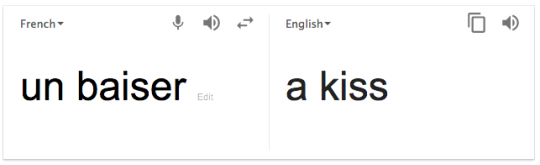
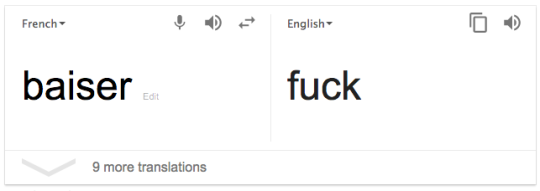
Here’s an interesting thing about French! Everything needs to have an article in front of it. That’s why it’s “la chat” as opposed to just “chat”. So, for instance, you could say la fille for the girl, or jeune fille for young girl, but you can’t just say fille, because that means you are calling her a sex worker in a derogatory way.
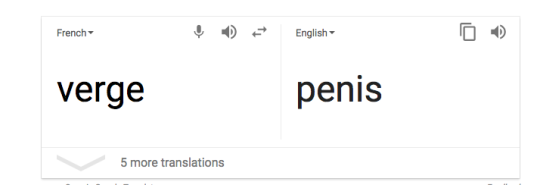
The moral of the story is, if you want to make something rude in French, just take out the article in front of it. Yes, this works for nearly. every. word.
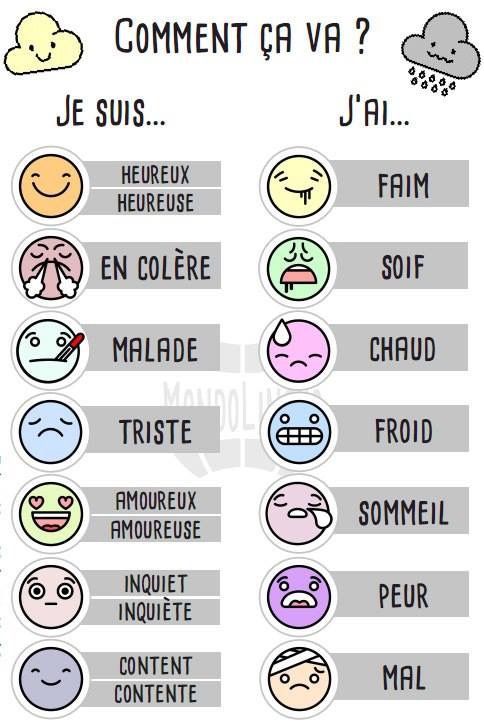
Every year. Every year there’s that kid who forgets that you can’t translate “I am excited” to “Je suis excitée”. And every year Monsieur Jordan has to slam the brakes before that kid can finish his sentence and then tactfully ask him not to announce to the class that he is horny.
“is the french language always on the verge” oh buddy, oh pal, i am so happy to break this news to you:
@indigopersei is the french language just always on the verge of getting someone accused of assault or..?
my friend, if only you knew
It’s a very dangerous language to learn
Here’s an interesting thing about French! Everything needs to have an article in front of it. That’s why it’s “la chat” as opposed to just “chat”. So, for instance, you could say la fille for the girl, or jeune fille for young girl, but you can’t just say fille, because that means you are calling her a sex worker in a derogatory way.
The moral of the story is, if you want to make something rude in French, just take out the article in front of it. Yes, this works for nearly. every. word.
Every year. Every year there’s that kid who forgets that you can’t translate “I am excited” to “Je suis excitée”. And every year Monsieur Jordan has to slam the brakes before that kid can finish his sentence and then tactfully ask him not to announce to the class that he is horny.
“is the french language always on the verge” oh buddy, oh pal, i am so happy to break this news to you:
I know I haven’t covered the Subjunctive on this blog yet, but for some of you this is review. I hope I can make this as clear as I can (because anyone who studies French knows how murky the water can be).
The Subjunctive uses:
To express doubt
To express an attitude
To express and opinion
To imply a hypothesis
How to Conjugate the verbs:
Conjugate your verb for the 3rd person noun (Ils/Elles). For Nous and Vous, use their “Imparfait” endings
Take off the ending -ENT and add the following endings
Regular -ER verbs
Je parle
Tu parles
Il/Elle/On parle
Nous parlions
Vous parliez
Ils/Elles parlent
Regular -IR verbs
Je finisse
Tu finisses
Il/Elle/On finisse
Nous finissions
Vous finissiez
Ils/Elles finissent
Regular -RE verbs
J’attende
Tu attendes
Il/Elle/On attende
Nous attendions
Vous attendiez
Ils/Elles attendent
3. Enjoy the easiest part of the Subjunctive because it’s about to get real.
4. Cry because of all of the irregular verbs
Aller -> aille, ailles, aille, allions, alliez, aillent
Avoir -> aie, aies, ait, ayons, ayez, aient
Être -> sois, sois, soit, soyons, soyez, soient
Faire -> fasse, fasses, fasse, fassions, fassiez, fassent
Pouvoir -> puisse, puisses, puisse, puissions, puissiez, puissent
can you believe after so many years of using french’s “c’est la vie” because the nuance doesn’t translate, we’ve finally obtained a flawless translation with “that’s just the way it is on this bitch of an earth"



 rip tumblr