This weekend I was schmoozing at an event when some guy asked me what kind of history I study. I said “I’m currently researching the role of gender in Jewish emigration out of the Third Reich,” and he replied “oh you just threw gender in there for fun, huh?” and shot me what he clearly thought to be a charming smile.
The reality is that most of our understandings of history revolve around what men were doing. But by paying attention to the other half of humanity our understanding of history can be radically altered.
For example, with Jewish emigration out of the Third Reich it is just kind of assumed that it was a decision made by a man, and the rest of his family just followed him out of danger. But that is completely inaccurate. Women, constrained to the private social sphere to varying extents, were the first to notice the rise in social anti-Semitism in the beginning of Hitler’s rule. They were the ones to notice their friends pulling away and their social networks coming apart. They were the first to sense the danger.
German Jewish men tended to work in industries which were historically heavily Jewish, thus keeping them from directly experiencing this “social death.” These women would warn their husbands and urge them to begin the emigration process, and often their husbands would overlook or undervalue their concerns (“you’re just being hysterical” etc). After the Nuremberg Laws were passed, and after even more so after Kristallnacht, it fell to women to free their husbands from concentration camps, to run businesses, and to wade through the emigration process.
The fact that the Nazis initially focused their efforts on Jewish men meant that it fell to Jewish women to take charge of the family and plan their escape. In one case, a woman had her husband freed from a camp (to do so, she had to present emigration papers which were not easy to procure), and casually informed him that she had arranged their transport to Shanghai. Her husband—so traumatized from the camp—made no argument. Just by looking at what women were doing, our understanding of this era of Jewish history is changed.
I have read an article arguing that the Renaissance only existed for men, and that women did not undergo this cultural change. The writings of female loyalists in the American Revolutionary period add much needed nuance to our understanding of this period. The character of Jewish liberalism in the first half of the twentieth century is a direct result of the education and socialization of Jewish women. I can give you more examples, but I think you get the point.
So, you wanna understand history? Then you gotta remember the ladies (and not just the privileged ones).
Holy fuck. I was raised Jewish— with female Rabbis, even!— and I did not hear about any of this. Gender studies are important.
“so you just threw gender in there for fun” ffs i hope you poured his drink down his pants
I actually studied this in one of my classes last semester. It was beyond fascinating.
There was one woman who begged her husband for months to leave Germany. When he refused to listen to her, she refused to get into bed with him at night, instead kneeling down in front of him and begging him to listen to her, or if he wouldn’t listen to her, to at least tell her who he would listen to. He gave her the name of a close, trusted male friend. She went and found that friend, convinced him of the need to get the hell out of Europe, and then brought him home. Thankfully, her husband finally saw sense and moved their family to Palestine.
Another woman had a bit more control over her own situation (she was a lawyer). She had read Mein Kampf when it was first published and saw the writing on the wall. She asked her husband to leave Europe, but he didn’t want to leave his (very good) job and told her that he had faith in his countrymen not to allow an evil man to have his way. She sent their children to a boarding school in England, but stayed in Germany by her husband’s side. Once it was clear that if they stayed in Germany they were going to die, he fled to France but was quickly captured and killed. His wife, however, joined the French Resistance and was active for over a year before being captured and sent to Auschwitz.
(This is probably my favorite of these stories) The third story is about a young woman who saved her fiance and his father after Kristallnacht. She was at home when the soldiers came, but her fiance was working late in his shop. Worried for him, she snuck out (in the middle of all the chaos) to make sure he was alright. She found him cowering (quite understandably) in the back of his shop and then dragged him out, hoping to escape the violence. Unfortunately, they were stopped and he, along with hundreds of other men, was taken to a concentration camp. She was eventually told that she would have to go to the camp in person to free him, and so she did. Unfortunately, the only way she could get there was on a bus that was filled with SS men; she spent the entire trip smiling and flirting with them so that they would never suspect that she wasn’t supposed to be there. When she got to the camp, she convinced whoever was in charge to release her fiance. She then took him to another camp and managed to get her father-in-law to be released. Her father-in-law was a rabbi, so she grabbed a couple or witnesses and made him perform their marriage ceremony right then and there so that it would be easier for her to get her now-husband out of the country, which she did withing a few months. This woman was so bad ass that not only was her story passed around resistance circles, even the SS men told it to each other and honoured her courage.
The moral of these stories is that men tend to trust their governments to take care of them because they always have; women know that our governments will screw us over because they always have.
Another interesting tidbit is that there is sufficient evidence to suggest that Kristallnacht is a term that historians came up with after the fact, and was not what the event was actually called at the time. It’s likely that the event was actually called was (I’m sorry that I can’t remember the German word for it but it translates to) night of the feathers, because that, instead of broken glass, is the image that stuck in people’s minds because the soldiers also went into people’s homes and destroyed their bedding, throwing the feathers from pillows and blankets into the air. What does it say that in our history we have taken away the focus of the event from the more domestic, traditionally feminine, realms, and placed it in the business, traditionally masculine, realms?
Badass women and interesting commentary. Though I would argue that “Night of Broken Glass" includes both the personal and the private spheres. It was called Kristallnacht by the Nazis, which led to Jewish survivors referring to it as the November Pogrom until the term “Kristallnacht" was reclaimed, as such.
None of this runs directly counter to your fascinating commentary, though.
READ THIS.
I mean I don’t even know what that dude was thinking. Without “gender” it’s not really a research question, even. FFS.
A Pennsylvania museum has solved the mystery of a Renaissance portrait in an investigation that spans hundreds of years, layers of paint and the murdered daughter of an Italian duke.
Among the works featured in the Carnegie Museum’s exhibit Faked, Forgotten, Found is a portrait of Isabella de’Medici, the spirited favorite daughter of Cosimo de’Medici, the first Grand Duke of Florence, whose face hadn’t seen the light of day in almost 200 years.
Isabella Medici’s strong nose, steely stare and high forehead plucked of hair, as was the fashion in 1570, was hidden beneath layers of paint applied by a Victorian artist to render the work more saleable to a 19th century buyer.
The result was a pretty, bland face with rosy cheeks and gently smiling lips that Louise Lippincott, curator of fine arts at the museum, thought was a possible fake.
Before deciding to deaccession the work, Lippincott brought the painting, which was purportedly of Eleanor of Toledo, a famed beauty and the mother of Isabella de’Medici, to the Pittsburgh museum’s conservator Ellen Baxter to confirm her suspicions.
Baxter was immediately intrigued. The woman’s clothing was spot-on, with its high lace collar and richly patterned bodice, but her face was all wrong, ‘like a Victorian cookie tin box lid,’ Baxter told Carnegie Magazine.
After finding the stamp of Francis Needham on the back of the work, Baxter did some research and found that Needham worked in National Portrait Gallery in London in the mid-1800s transferring paintings from wood panels to canvas mounts.
Paintings on canvas usually have large cracks, but the ones on the Eleanor of Toledo portrait were much smaller than would be expected.
Baxter devised a theory that the work had been transferred from a wood panel onto canvas and then repainted so that the woman’s face was more pleasing to the Victorian art-buyer, some 300 years after it had been painted.
Christ men have been Photoshopping women to make us more “pleasing” since for-fucking-ever.
Also, Isabella de’Medici is nice looking, but also has that look in her eye of all Medicis: “I haven’t yet decided whether I’m going to kick your ass, buy you and everything you own, or have sex with you. Perhaps all three.”
It’s interesting the way the repaint has photoshop!Isabella affecting a slightly dreamy, docile gaze into the middle distance; she’s dewy-faced and unthreateningly soft. But in the original, she’s looking you right in the eye. She takes the male gaze and throws it right back at you. That’s a face that says go on, tell me I’d be so pretty if only I had a little repaint, I dare you. I’ll fuck you up.
They also made her hand smaller and I can’t tell if that’s an urn or scepter in her hand but considering it was painted out I wouldn’t be surprised if it was a symbol of power.
Oh, it’s a symbol of power alright. She’s a Medici, daughter of Cosimo I de Medici, First Grand Duke of Tuscany. The Medicis were the most powerful political family in Florence for almost forever. In Florence, the lines between politics, crime, warfare, and the Church were very blurry. They even managed, on four separate occasions, to get one of their own family members elected Pope, usually by very underhanded dealing with the cardinals. They had their fingers in every pie in Italy from 13th through 17th century.
In the case of Isabella, in order to secure an alliance with the Orsini family of Rome, she was married to Paolo Giordano I Orsini when she was 16. Contrary to popular belief, people in Renaissance Europe weren’t all that into child brides, this was just about the politics, so she stayed at her father’s household in Florence until she was of appropriate age. And then she just sort of… never left. Her new husband had zero concept of money, and her dad actually kinda hated him even though he was the one who arranged the marriage in the first place. So Isabella and her 50,000 scudi dowry (at a time when the average Italian earned somewhere between 10 and 40 scudi a year)stayed in Florence. Because she never went to Rome to live with her husband, she enjoyed enormous freedom and power back in Florence. After her mother died, she basically stepped into the role of First Lady of Florence, and was considered one of the keenest political minds in Europe. She ruled what she wanted, bought what she wanted, and fucked who she wanted, with no one really able to tell her no.
She was eventually assassinated by her husband while she was on holiday at one of her family’s country villas, probably because she was fucking her husband’s cousin, Troilo Orsini. Well, she had an “accident” while bathing, and Paolo Orsini said she must have drowned, but the coroner said she was strangled, and several servants swore they saw him do it. He might also have done it on the orders of Isabella’s brother, Francesco Medici, since he was trying to consolidate his power as the next Grand Duke, and by all accounts she was definitely in his way because of her political savvy.
So yeah. She was a boss, and that’s what makes it even more offensive that this Victorian sap tried to make her into this passive, skinny, doe-eyed wimp.
What’s really wild is that the native people literally told the Europeans “they walked” when asked how the statues were moved. The Europeans were like “lol these backwards heathens and their fairy tales guess it’s gonna always be a mystery!”
Maori told Europeans that kiore were native rats and no one believed them until DNA tests proved it
Roopkund Lake AKA “Skeleton Lake” in the Himalayas in India is eerie because it was discovered with hundreds of skeletal remains and for the life of them researchers couldn’t figure out what it was that killed them. For decades the “mystery” went unsolved.
Until they finally payed closer attention to local songs and legend that all essentially said “Yah the Goddess Nanda Devi got mad and sent huge heave stones down to kill them”. That was consistent with huge contusions found all on their neck and shoulders and the weather patterns of the area, which are prone to huge & inevitably deadly goddamn hailstones. https://www.facebook.com/atlasobscura/videos/10154065247212728/
Literally these legends were past down for over a thousand years and it still took researched 50 to “figure out” the “mystery”. 🙄
Adding to this, the Inuit communities in Nunavut KNEW where both the wrecks of the HMS Erebus and HMS Terror were literally the entire time but Europeans/white people didn’t even bother consulting them about either ship until like…last year.
“Inuit traditional knowledge was critical to the discovery of both ships, she pointed out, offering the Canadian government a powerful demonstration of what can be achieved when Inuit voices are included in the process.
In contrast, the tragic fate of the 129 men on the Franklin expedition hints at the high cost of marginalising those who best know the area and its history.
“If Inuit had been consulted 200 years ago and asked for their traditional knowledge – this is our backyard – those two wrecks would have been found, lives would have been saved. I’m confident of that,” she said. “But they believed their civilization was superior and that was their undoing.”
“Oh yeah, I heard a lot of stories about Terror, the ships, but I guess Parks Canada don’t listen to people,” Kogvik said. “They just ignore Inuit stories about the Terror ship.”
Schimnowski said the crew had also heard stories about people on the land seeing the silhouette of a masted ship at sunset.
“The community knew about this for many, many years. It’s hard for people to stop and actually listen … especially people from the South.”
Indigenous Australians have had stories about giant kangaroos and wombats for thousands of years, and European settlers just kinda assumed they were myths. Cut to more recently when evidence of megafauna was discovered, giant versions of Australian animals that died out 41 000 years ago.
Similarly, scientists have been stumped about how native Palm trees got to a valley in the middle of Australia, and it wasn’t until a few years ago that someone did DNA testing and concluded that seeds had been carried there from the north around 30 000 years ago… aaand someone pointed out that Indigenous people have had stories about gods from the north carrying the seeds to a valley in the central desert.
it’s literally the oldest accurate oral history of the world.
Now consider this: most people consider the start of recorded history to be with the Sumerians and the Early Dynastic period of the Egyptians. So around 3500 BCE, or five and a half thousand years ago
These highly accurate Aboriginal oral histories originate from twenty thousand years ago at least
Ain’t it amazing what white people consider history and what they don’t?
I always said disservice is done to oral traditions and myth when you take them literally. Ancient people were not stupid.
While going through his famous grandfather’s belongings after his passing in 1937, violinist Lars Sigerson discovered this casket. It appears to have been passed from generation to generation within his family for hundreds of years. The explanation and whatever story that goes with it has been lost to the ages.
The inscription on the casket is written in old Norse runes and reads: “Behold! Within this casket lies the heart of the fierce and terrible giant known as Hrungnir, slain this day by Fafrd the Red whose bravery and cunning shall live forever!”
I honestly always find the term ‘spinster’ as referring to an elderly, never-married woman as funny because you know what?
Wool was a huge industry in Europe in the middle ages. It was hugely in demand, particularly broadcloth, and was a valuable trade good. A great deal of wool was owned by monasteries and landed gentry who owned the land.
And, well, the only way to spin wool into yarn to make broadcloth was by hand.
This was viewed as a feminine occupation, and below the dignity of the monks and male gentry that largely ran the trade.
So what did they do?
They hired women to spin it. And, turns out, this was a stable job that paid very well. Well enough that it was one of the few viable economic options considered ‘respectable’ outside of marriage for a woman. A spinster could earn quite a tidy salary for her art, and maintain full control over her own money, no husband required.
So, naturally, women who had little interest in marriage or men? Grabbed this opportunity with both hands and ran with it. Of course, most people didn’t get this, because All Women Want Is Husbands, Right?
So when people say ‘spinster’ as in ‘spinster aunt’, they are TRYING to conjure up an image of a little old lady who is lonely and bitter.
But what I HEAR are the smiles and laughter of a million women as they earned their own money in their own homes and controlled their own fortunes and lived life on their own terms, and damn what society expected of them.
I hope this a shit post cause that’s not even close to being true.
by now, most of you have probably seen this post about how “Athena gifted Medusa with ugliness and the power to turn men to stone as a way of protecting her from further violations of her person…As the original myth tells it, she lived in solitude because she did not wish to be around men after what Poseidon had done. And Athena gave her the power to never be at the mercy of a male again”
In addition, it makes some claims about how the image of Medusa’s head was found on the lintel of women’s shelters, and it was patriarchal Rome that subverted this myth into the one of rape and victim-blaming and turned her ugliness into something shameful.
….EXCEPT REALLY NOT
first let me say, I am all for reinterpreting and retelling Greek myths! People have been doing it down the ages, and I love the Romantic fixation on Prometheus and Freud’s fetish for Oedipus and tumblr’s fascination with Persephone/Hades. And I am definitely all for reclaiming stories that have been used to shame and silence women.
But I am also allergic to those retellings being retroactively fitted back into their sexist framework. On top of this being just plain old revisionist history, it does a disservice to why we needed to retell it in the first place.
Medusa was (probably) not natively a feminist heroine and her head was not hung above doorways of women’s shelters (not sure if Classical Greece had anything recognizable women’s shelters, my research hasn’t turned up anything.) Ancient Rome is not automatically more patriarchal than Ancient Greece, because Greece was pretty damn gross in a lot of ways and their myths are not exempt from that.
I’ve seen some women who are offended by this and say it’s ridiculous that her cleavage is showing and things of that sort.
Personally, I think it’s great.
Why should we have an image of a women with her hair tied up and flexing her muscles like she’s a man? (not that that isn’t great too!) In a way it suggests that when our hair is down, our breasts are visible and we wear (GASP) lipstick, we’re somehow lesser than men? We can do it! We can be feminine and successful.
You see what I’m saying here, ladies?
You don’t have to lose your femininity. Being feminine is great. Being masculine is great. Strength is not limited to one way of being.
THE COMMENTARY IS MAKING MY HEART SING
(original text by tumblr user autumninthenorth)
oh my fucking god, this again
okay
Have you even looked at the actual Rosie the Riveter poster lately?
She’s ALREADY WEARING LIPSTICK. AND MASCARA. AND BLUSH. Her eyebrows have been PENCILED AND TWEEZED. And underneath her work bandana? HER HAIR HAS BEEN CURLED. Rosie the Riveter is a beautifulwoman. This image in no way implies that wearing feminine apparel (like cosmetics) is a negative thing.
The reason that she has her hair up and her shirt buttoned and is flexing her arms has nothing to do with prudery, or with trying to be “masculine” (as if shows of physical strength are unique to one gender). It has to do with the information at the bottom of the poster: Rosie is involved in war production. That means doing hard physical labor in a 1940s factory, where large heavy machinery can easily snag a loose lock of hair, or a bit of jewelry, or an undone button. “Makeover” Rosie would not be able to do the real Rosie’s job without serious risk of injury to herself or the people around her. In that sense, the new poster is implying that no, women are NOT capable of doing the same work as men, because they are too weak/vain/self-absorbed/whatever. The old poster is saying that, while still being feminine, women are just as capable of doing the same work as men.
Also? The new and “improved” Rosie was specifically drawn to be ANTI-FEMINIST. “[William Murai] created this image for the Brazilian Alfa Magazineto accompany an article about the End of Feminism. ‘The idea was to remake the famous feminism symbol “Rosie the Riveter” [into] a lady who is giving up on her duties and trying to look sexy again.’” (emphasis mine)
Giving up her duties and trying to look sexy? For whom, exactly? According to the artist (and the patriarchy), men. In other words, quit your job, look hot, find a man, gb2 the kitchen, and make me a sandwich, bitch. Also known as THE SAME TIRED-ASS SHIT WOMEN HEAR EVERY. FUCKING. DAY.
The new poster is not “progress.” It is not about women being “feminine andsuccessful.” It’s about the exact opposite: women being reduced to their appearance and their sex appeal according to the standards imposed by the male gaze. She is pretty, but that’s all she is, because that’s all women are supposed to be. The real Rosie (you know, the feminist icon?) is beautiful, and feminine, and strong enough to do the work necessary to keep her country safe, just the same as any man. Her worth is not in her appeal as a decorative object, but in the product of her labor and her own awareness of her abilities.
Rosie the Riveter. Accept NO substitutes.
YES FOR THAT COMMENTARY
…neither of those pictures is Rosie the Riveter. The picture you’re calling the “original Rosie” is “We Can Do It.” It caught on in the 80’s after being found in someone’s house in the 80’s (it was also not widespread, but a poster to increase moral and production in one chain of factories).
This is Rosie the Riveter
She was painted by Norman Rockwell. She’s strong from doing manual labor, she’s dirty from working, she’s eating her lunch apologetically. She’s still got the makeup and curls thing going for her, but she’s not posed to be pretty. Rosie was painted with respect toward the real world Rosies (actual nickname for the women who took men’s factory jobs during WWII). We Can Do It was painted to make them work harder, to benefit the factory owners.
And sometime in the 80’s a poster that was created to treat women like cogs in a machine, became the symbol of feminism, and the real Rosie the Riveter painting doesn’t get much credit at all.
The history and evolution of propaganda posters is fascinating.
I love the Rockwell image so so so much. I love how she isn’t particularly “beautiful”, I love her build, I love her muscles, I love her worksuit and lunch box. It’s a wonderful image, and deserves to be more widely known than it is.
Also being told we can be pretty and “don’t have to be masculine” is not revolutionary at all lol the patriarchy tells us the exact same thing shut up
This first lullaby is a loose translation, in order to fit a modern musical meter. It can be sung to “Nettleton” (Come Thou Fount) or Joyful, Joyful (Ode to Joy) — I recommend singing lines 1-8, then repeating 1-6 and finishing with 9-10. A closer translation of the same text is at the end, followed by a different, longer incantation to help a crying baby sleep.
Little one, who dwelled in darkness, now you’ve come and seen the sun. Why the crying? Why the worries? What has made your peace undone?
You have roused the household spirits; you have scared the guardian-gods. “Who has roused me? Who has scared me?” “Little baby woke you up!”
May you settle into slumber, sweet as plum-wine, deep as love.
Per a request (and by the way, I love getting requests!), here is the Akkadian transliteration of the first lullaby, taken from Walter Farber’s “Magic at the Cradle: Babylonian and Assyrian Lullabies” (1990, Anthropos).
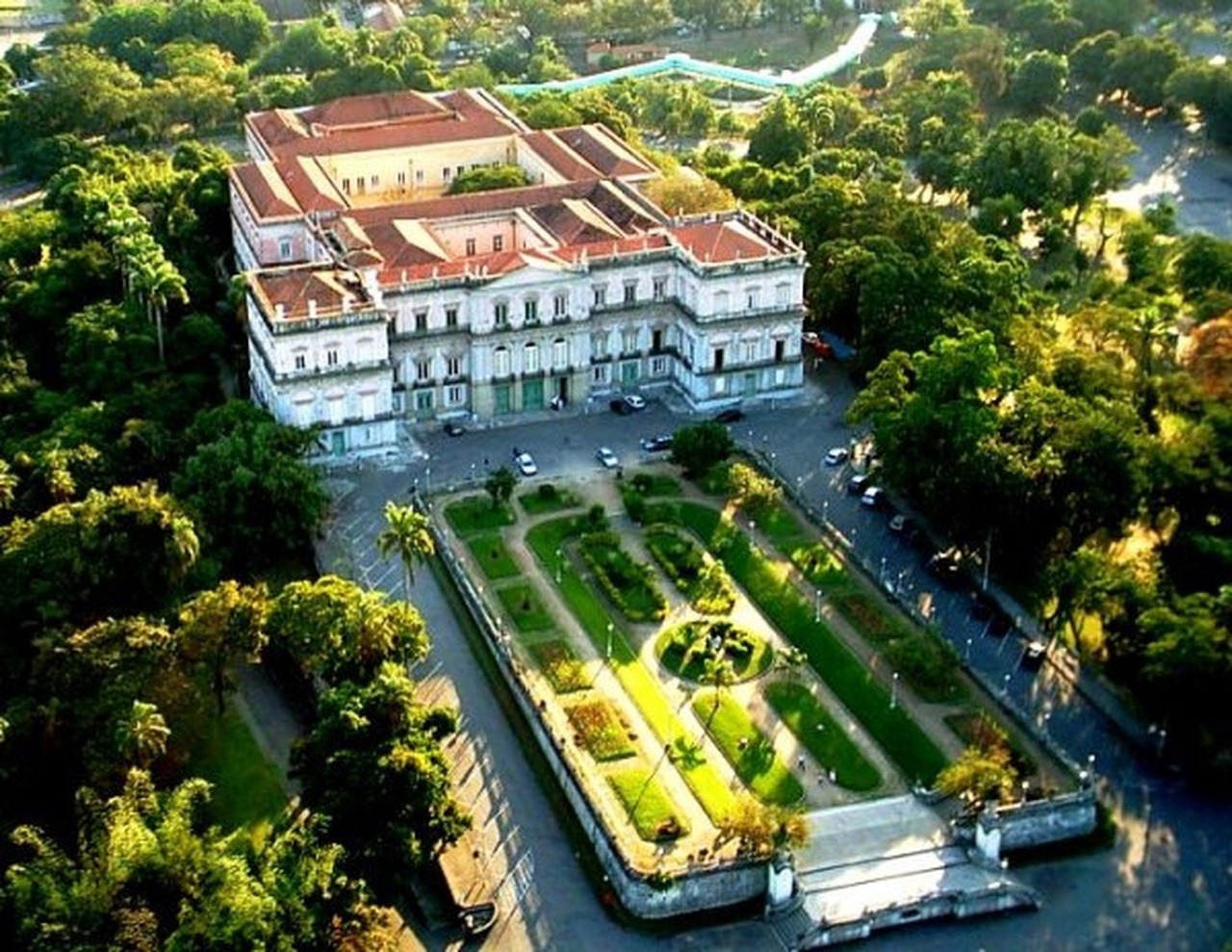
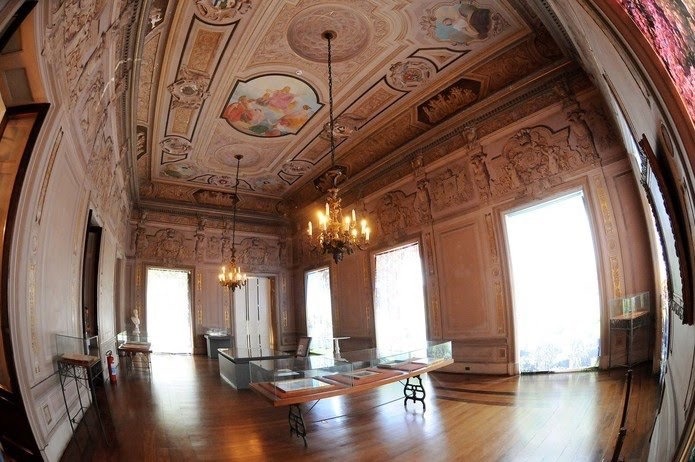
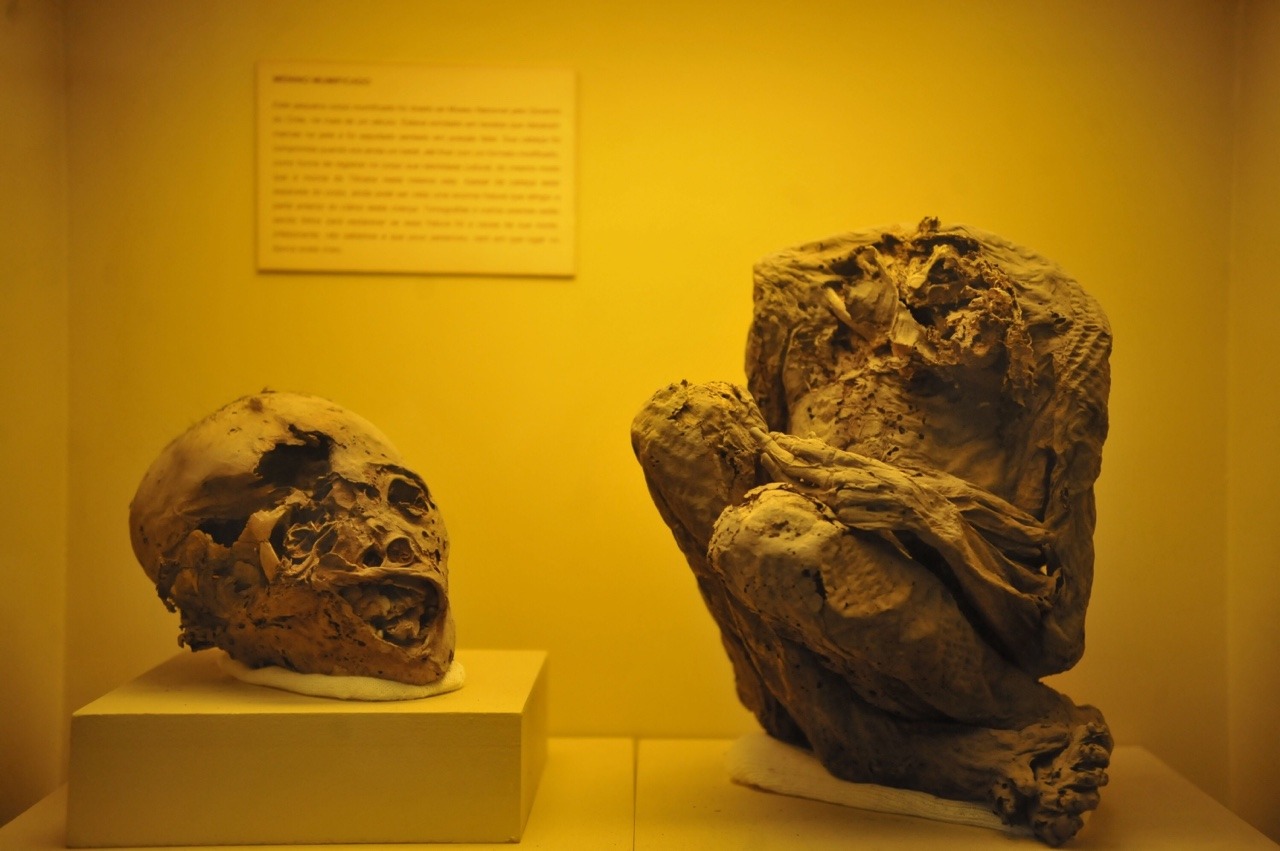
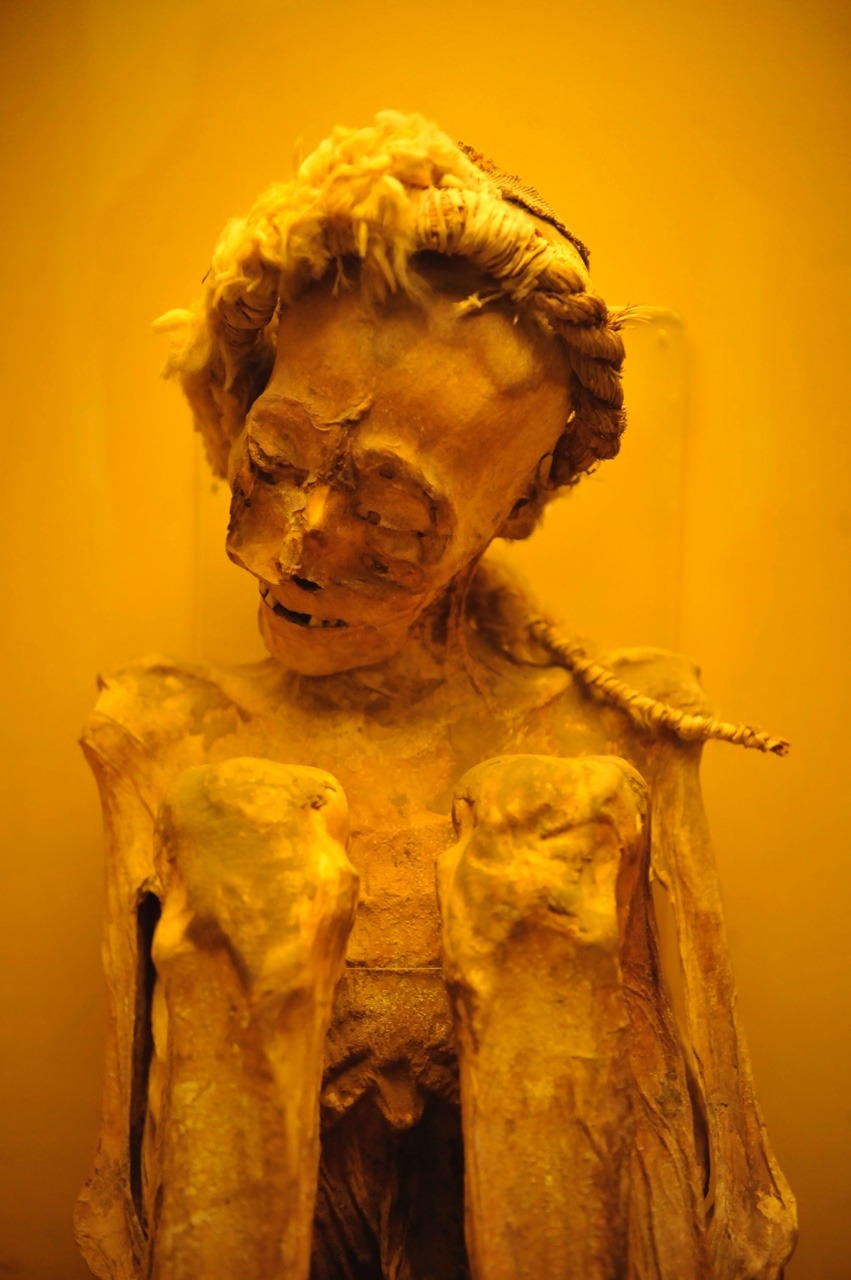
one of the oldest and arguably the most important museum in Brazil is burning to the ground as we speak. home to the portuguese royal family from 1808 to 1821, the Museu Nacional stored fossils, meteorites, pre-historic human skeletons and a variety of artefacts related to natural history. it holds two centuries of latin & brazilian history and now it’s all gone.
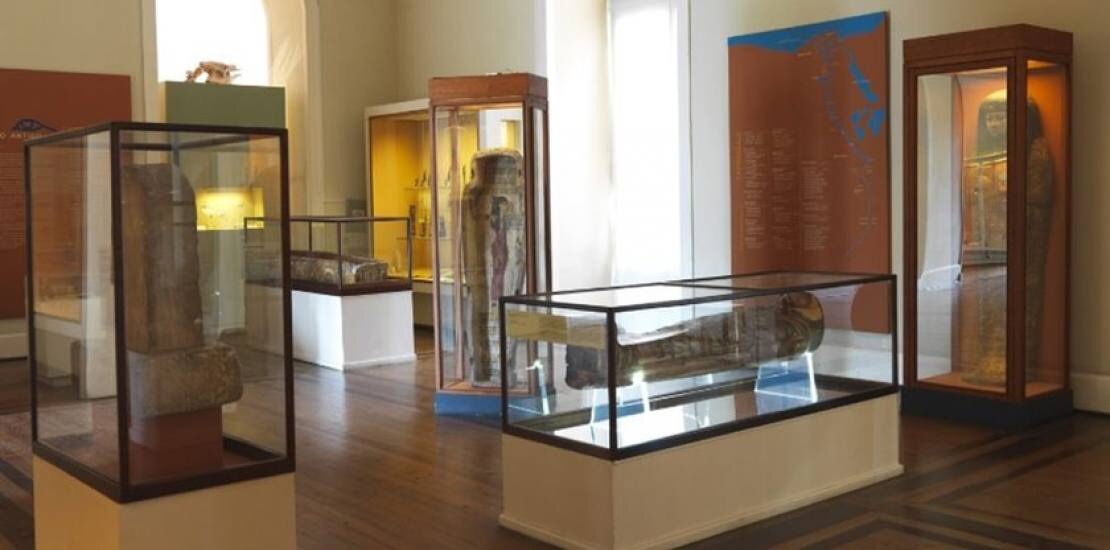
some of the things that are now lost forever: the largest collection of egyptian artefacts in latin america; the skeleton of the largest flying reptile ever found in Brazil; the oldest human fossil ever found in the country, named “Luzia” (over 11.000 y.o) and other 20 million extremely important relics and researches just burned to the ground. never to be seen again.
thanks to our government, of course, who didn’t want to pay the museum the necessary funds to make the essencial maintenances since 2014 (which by the way, costed less than a supreme federal court judge’s sallary: R$520 in a year).
another sad instance where the state’s indifference towards culture and history becomes painfully obvious. this is a massive blow to our cultural legacy.
all that in our independe week. happy independe for us, brazilians, who just lost our history and culture in a fire caused by ignorance and indifference.
in case you’re wondering, this is what the museum used to look like:
this is what it looks like now:
thousands of years of culture lost. happy independence week.
“Authorities say the fire lasted for six hours, causing irreparable damage. To put it bluntly: it’s all gone. A meteorite, that can sustain incredibly high temperatures, was found intact. But other than that, there are apparently no other pieces left. It would not be an understatement to call the Museu Nacional the Brazilian equivalent of the Louvre or the British Museum.”
here is some of the international news saying on this, because most articles and videos are all in portuguese, u can check some of the news in english: (here *new york times*) (here *bbc news*) (here *le monde* for french speaking readers) (here *shorouk news* for people who speak arabian) (here *azteca news* for spanish) (here *corriere della sera* for italian).
it was a natural science and historic museum, there were all sorts of important researches and relics. all burned. this was our culture. our history. the first human fossil found in brazil (mentioned above, Luzia) was so important for science, since it proved that way before indigenous tribes existed in Brazil, there were black people.
this is the place where our first constitution was made and the declaration of independence was signed. our independe day is this friday. heartbroken.












 rip tumblr