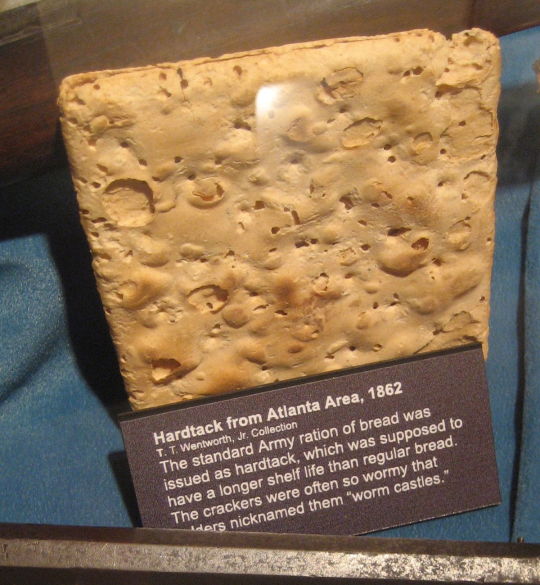
an edible cracker with just one side. mathematically impossible and yet here I am monching on it.
‘scuit’ comes from the french word for ‘bake’, ‘cuire’ as bastardized by adoption by the brittish and a few hundred years
‘biscuit’ meant ‘twice-baked’, originally meaning items like hardtack which were double baked to dry them as a preservative measure long before things like sugar and butter were introduced. if you see a historical doccument use the word ‘biscuit’ do not be fooled to think ‘being a pirate mustve been pretty cool, they ate nothing but cookies’ – they were made of misery to last long enough to be used in museum displays or as paving stones
‘triscuit’ is toasted after the normal biscuit process, thrice baked
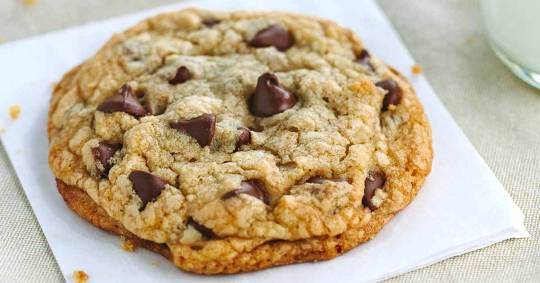
thus the monoscuit is a cookie thats soft and chewy because it was only baked once, not twice
behold the monoscuit/scuit
Why is this called a biscuit:
when brittish colonists settled in the americas they no longer had to preserve biscuits for storage or sea voyages so instead baked them once and left them soft, often with buttermilk or whey to convert cheap staples/byproducts into filling items to bulk out the meal to make a small amount of greasy meat feed a whole family. considering hardtack biscuits were typically eaten by dipping them in grease or gravy untill they became soft enough to eat without breaking a tooth this was a pretty short leap of ‘just dont make them rock hard if im not baking for the army’ but didnt drop the name because its been used for centuries and people forgot its french for ‘twice baked’ back in the tudor era, biscuit was just a lump of cooked dough that wasnt leavened bread as far as they cared
thus the buttermilk biscuit and the hardtack biscuit existed at the same time. ‘cookies’ then came to america via german and dutch immigrants as tiny cakes made with butter, sugar/molasses, and eggs before ‘tea biscuits’ as england knew them due to the new availability of cheap sugar- which is why ‘biscuit’ and ‘cookie’ are separate items in america but the same item in the UK
the evolution of the biscuit has forks on its family tree
I love it when a shitpost turns into an actually interesting post.
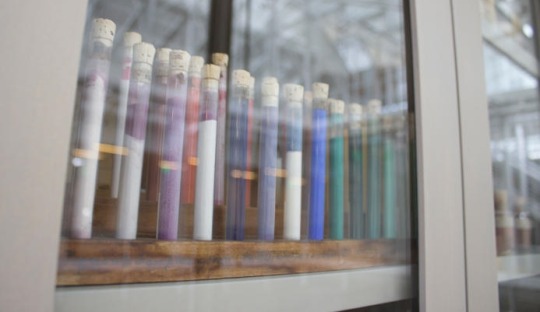
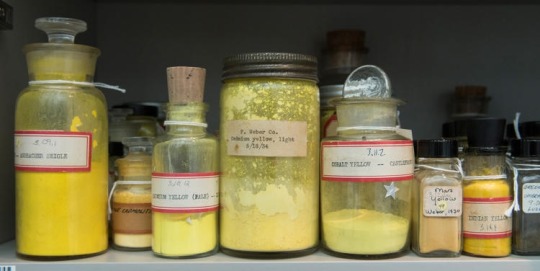
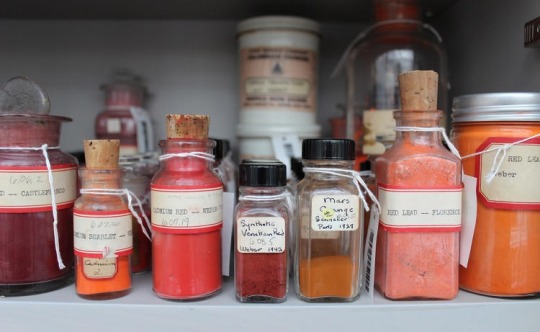
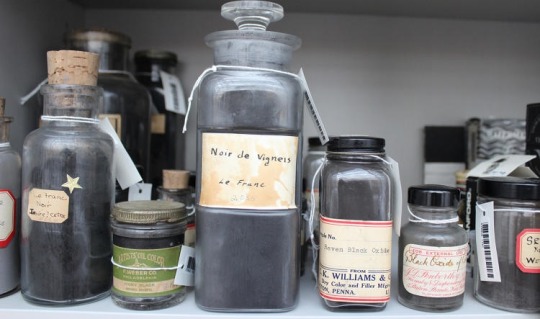
Harvard has a pigment library that
stores old pigment sources, like the
ground shells of now-extinct insects,
poisonous metals, and wrappings from
Egyptian mummies, to preserve the
origins of the world’s rarest colors.
A few centuries ago, finding a specific color might have meant trekking across the globe to a mineral deposit in the middle of Afghanistan. “Every pigment has its own story,” Narayan Khandekar, the caretaker of the pigment collection, told Fastcodesign. He also shared the stories of some of the most interesting pigments in the collection.
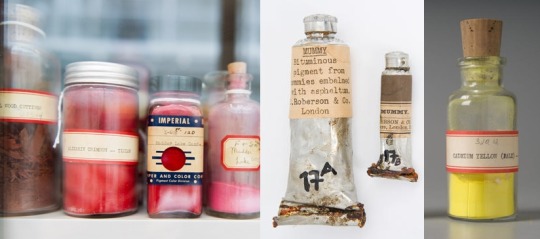
Mummy Brown
“People would harvest mummies from Egypt and then extract the brown resin material that was on the wrappings around the bodies and turn that into a pigment. It’s a very bizarre kind of pigment, I’ve got to say, but it was very popular in the 18th and 19th centuries.”
Cadmium Yellow
“Cadmium yellow was introduced in the mid 19th century. It’s a bright yellow that many impressionists used. Cadmium is a heavy metal, very toxic. In the early 20th century, cadmium red was introduced. You find these pigments used in industrial processes. Up until the 1970s, Lego bricks had cadmium pigment in them.”
Annatto “The lipstick plant—a small tree, Bixa orellana, native to Central and South America—produces annatto, a natural orange dye. Seeds from the plant are contained in a pod surrounded with a bright red pulp. Currently, annatto is used to color butter, cheese, and cosmetics.”
Lapis Lazuli “People would mine it in Afghanistan, ship it across Europe, and it was more expensive than gold so it would have its own budget line on a commission.”
Dragon’s Blood “It has a great name, but it’s not from dragons. [The bright red pigment] is from the rattan palm.”
Cochineal “This red dye comes from squashed beetles, and it’s used in cosmetics and food.”
Emerald Green “This is made from copper acetoarsenite. We had a Van Gogh with a bright green background that was identified as emerald green. Pigments used for artists’ purposes can find their way into use in other areas as well. Emerald green was used as an insecticide, and you often see it on older wood that would be put into the ground, like railroad ties.”
In 1941, Swiss engineer George de Mestral noticed after a
hunting trip that burrs from burdock plants stuck to his pants and his
dog’s fur.
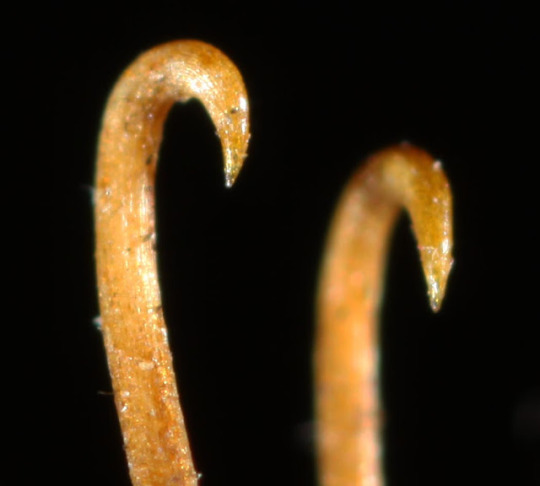
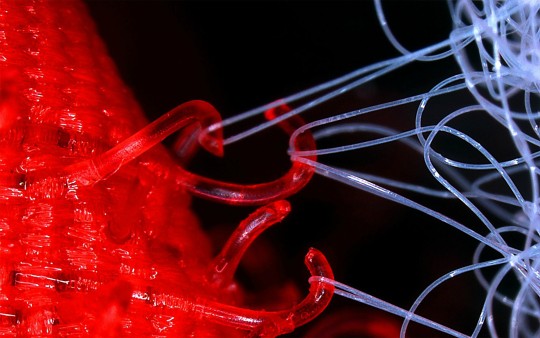
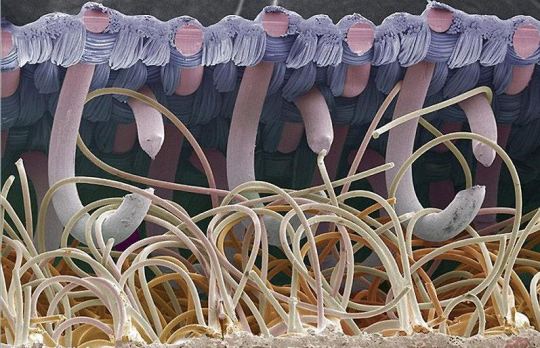
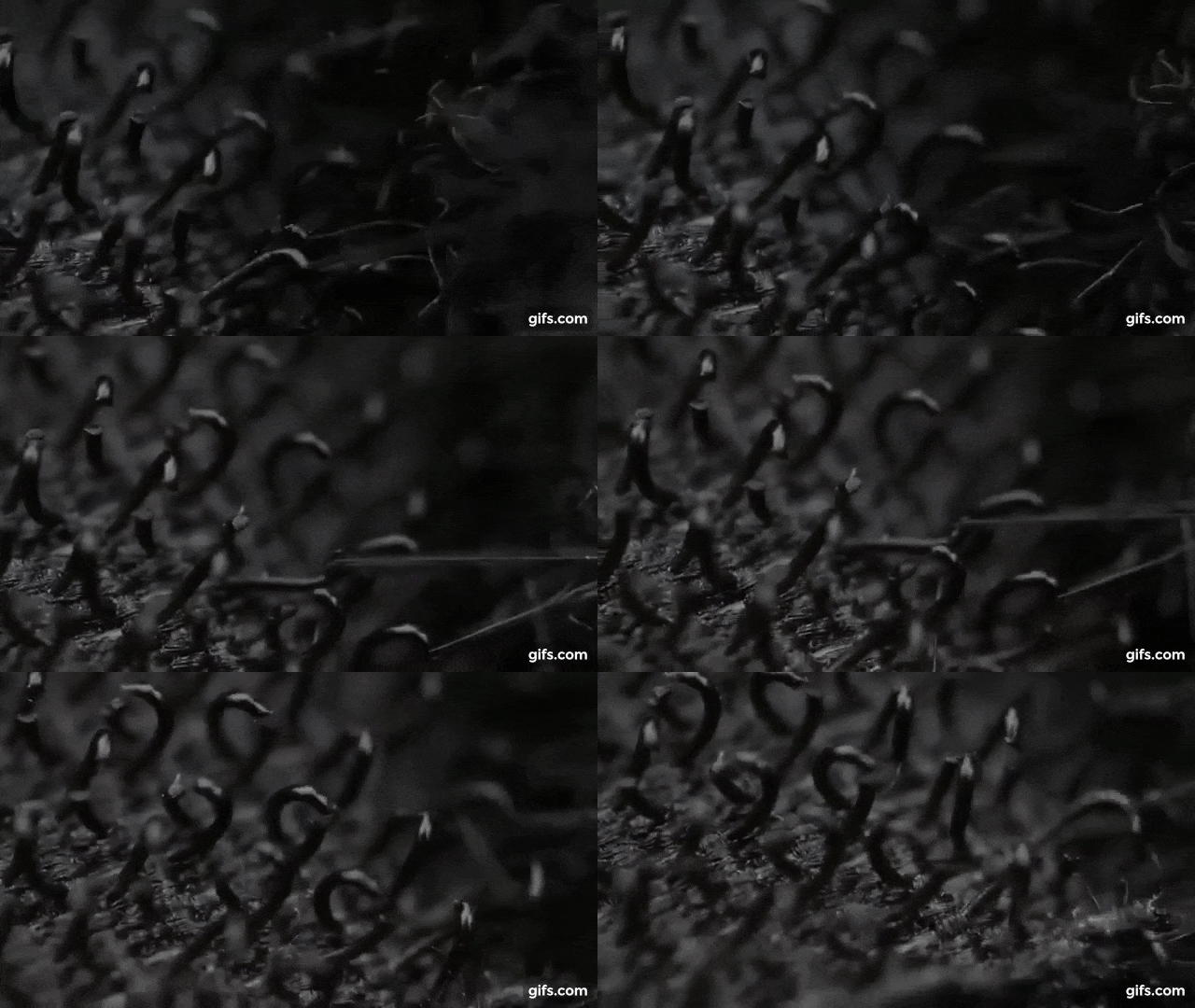
He took the seed and looked at them through a microscope to find that this seed
attaches to animal fur via the hooks on its surface to improve
distribution.
These hooks would latch onto anything loop-shaped, such as the fibers in his pants and his dog’s tangled fur. This inspired him to come up with the ‘Velcro’.
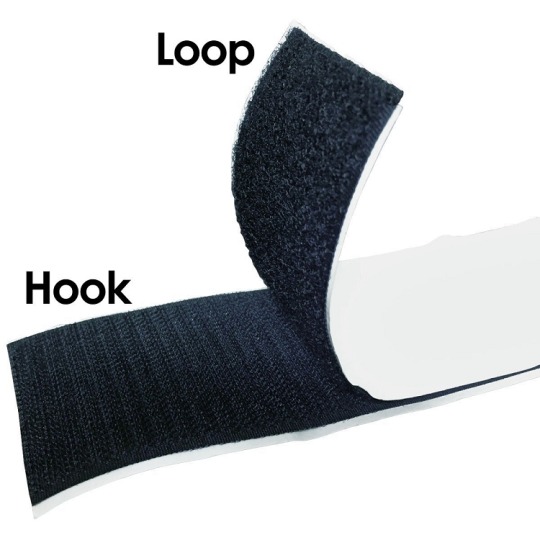
Velcro is a bio-mimicry of this burrs with small flexible hooks attached on its surface to attach to fluffy surfaces.
Although it goes by the name Velcrothe generic name is a hook-and-loop fastener)
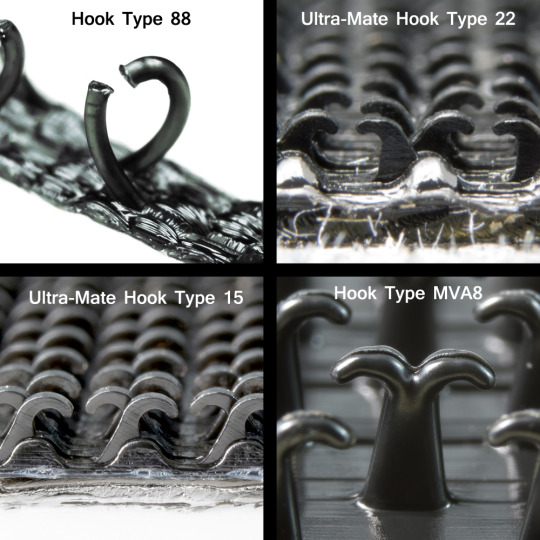
And depending on the load that needs to be held there are different types of hooks that are available:
The sound that the velcro makes when you rip it apart is oddly satisfying. It is made when the loops are ripped apart from the hooks.
It was always in my head that the hooks or the loops would break whenever you would rip it apart. But turns out, they are extremely flexible.
For a long time I believed that this was the end of the story and that’s how far we had gone. But recently when I was trying to mount a board to the wall, I came across the 3M dual lock fasteners.
These use a mushroom shaped hook on both the sides to snap together in place.
And evidently it turns out the mushroom fastener design were inspired from dragonflies who used it for stability during mating (check source video above for more).
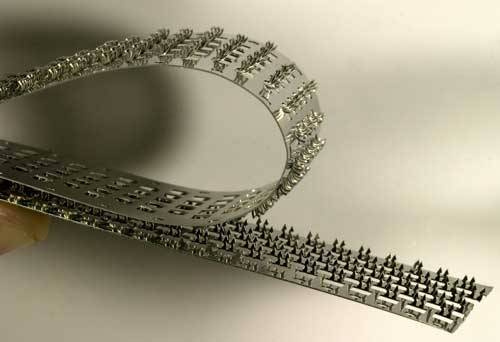
This is great, but since this is made of plastic this surely would fail at higher temperatures. You need something robust to handle higher temperatures, and this is where the Metaklett comes into the picture:
A square metre of this fastener, called Metaklett (made of steel), is capable of supporting 35 tonnes at temperatures up to 800 ºC, (Video)
There is something exotic in the blend of nature and technology that is manifested in the Velcro, I just cannot put my hand on what it is.






 rip tumblr