Fun fact, hammering metal spikes into tree trunks is a federal crime in the US because environmental activists used to do it in the 80s to fuck up chainsaws and logging equipment.
So you should never use this effective strategy for disrupting logging operations because it is illegal.
Realistic Stuttering: “Sorry, I uh… I didn’t mean- I didn’t mean to do that…”
When people stutter, they usually reword what they’re saying as they speak, and subconsciously insert “filler words” such as “uh, like, you know,” and etc.
*puts on speech therapist hat*
ACTUALLY! It depends on why they are stuttering.
A Nervous Stutter results in what is called Mazing, or rewording the sentence. That is the classic “I, um… well I… look it’s just that… so we…” that @hellishhues is talking about. When someone is mazing their words you’re seeing a form of Speech Apraxia where the brain is having trouble forming verbal speech. This can be brought on by brain damage, memory loss, anxiety, nerves, and several other things.
The root cause of a nervous stutter is a disconnect between the mouth and the brain.
With this you will also sometimes see the classic “S-s-s-sorry…” especially if the person has been training to speak clearly and is now at a point of fatigue or stress where they are not mentally capable of forming the words.
The other kind of stutter is a Physical Stutter, sometimes referred to as slurring, and another facet of Speech Apraxia. This stutter is caused when the muscles of the mouth, tongue, and throat are physically unable to form certain sounds. This is most often seen in the very young and victims of brain trauma.
Sounds are acquired at different ages, so a 2-year-old will probably not be able to clearly pronounce certain words (which is why toddler sound so off when they’re written with developed dialogue). These mis-pronunciations are sometimes referred to as lisping, but only if the sounds are run together. If the person starts and restarts the sound because they got it wrong, it can also sound like the classic sound stutter.
But it all depends on why the character is stuttering!
Do they have Speech Apraxia, Audio Processing Disorder, muscle dysfunction, or another medical reason to stutter? (1)
Are they stuttering because of anxiety, stress, or fatigue? (2)
Does the stutter stem from intoxication or blood loss? (3)
All of those will sound different!
1 – Will have mazing, repeated sound stutters, and be the classic stutter that annoys OP.
2 – This is where you’ll see the repetition stutter, mazing, rephrasing, and filler words.
3 – This is where you are more likely to see starts and stops and slurring of words.
My mum has apraxia and I just wanted to say that’s one of the most concise and clear ways I’ve seen it explained, thank you!
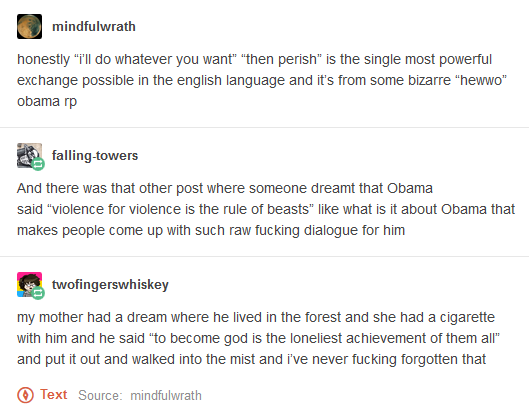
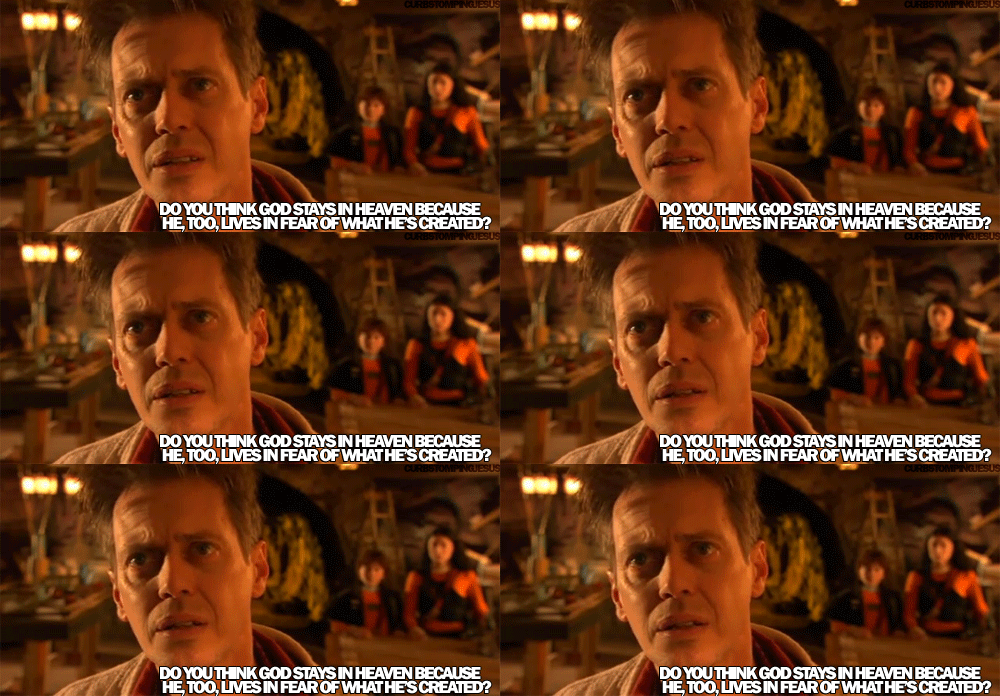
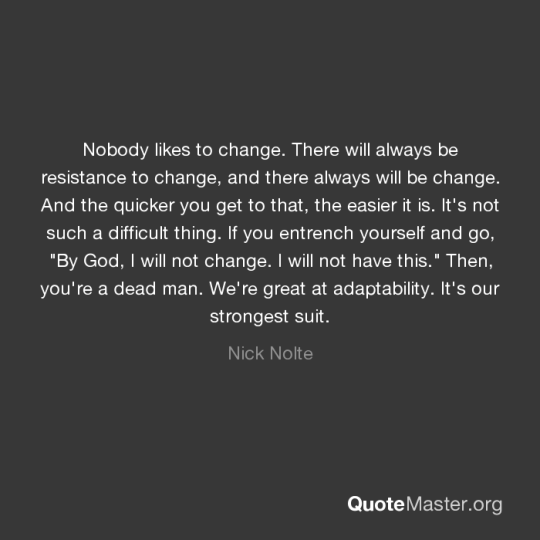
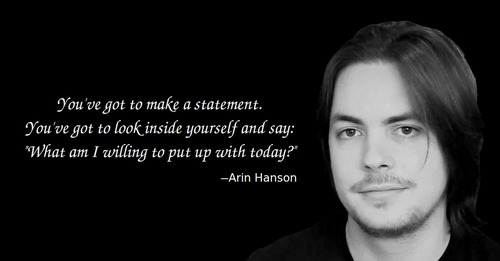
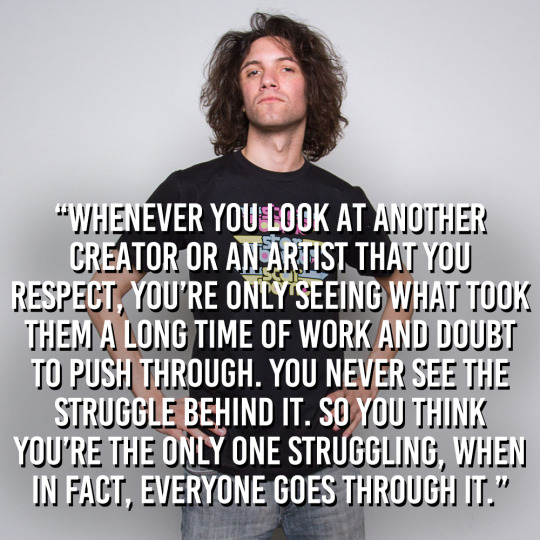
“i am a monument to all your sins” is such a fucking raw line for a villain it’s amazing that it came from halo, a modernish video game, and not some classical text or mythos
classic texts have nothing on the crazy people come up with in modern times tbh
“I survived because the fire inside me burned brighter than the fire around me.”
– Joshua Graham, Who Is A Fallout New Vegas NPC, Something Most People Throwing This Quote Around Don’t Realize
“If the world chooses to become my enemy, I will fight like I always have.”
– Shadow the Hedgehog in what is widely considered one of if not the single worst game in the Sonic the Hedgehog franchise
this is the source for this text and it haunts me on a regular basis
“Pick a god and pray.”
-Fredrick from Fire Emblem Awakening
Huh, it’s almost like art isn’t just fine art…
this is my addition to this ever growing list of raw quotes originating from unexpected sources
Throwing my fav our there, from One Piece Marine Ford arc.
more on writing muslim characters from a hijabi muslim girl
– hijabis get really excited over pretty scarves – they also like to collect pins and brooches – we get asked a lot of questions and it can be annoying or it can be amusing, just depends on our mood and personality and how the question is phrased – common questions include: – “not even water?” (referring to fasting) – hijabis hear a lot of “do you sleep in that?” (we don’t) and “where is your hair?” (in a bun or a braid, usually) – “is it mooze-slim or mozzlem?” (the answer is neither, it’s muslim, with a soft s and accent on the first syllable) – “ee-slam or iz-lamb?” (it’s iss-laam, accent on the first syllable) – “hee-job?” (heh-jahb, accent on the second syllable)
– “kor-an?” (no. quran. say it like koor-annn, accent on the second syllable) – people tend to mess up our names really badly and you just get a sigh and a resigned nod or an awkward smile, maybe a nickname instead – long hair is easy to hide, short hair is harder to wrap up – hijab isn’t just covering hair, it’s also showing as little skin as possible with the exception of face, hands, and feet, and not wearing tight/sheer clothing – that applies to men too, people just don’t like to mention it ( i wonder why) – henna/mehendi isn’t just for special occasions, you’ll see people wearing it for fun – henna/mehendi isn’t just for muslims, either, it’s not a religious thing – henna/mehendi is not just for women, men also wear it, especially on their weddings – there are big mehendi parties in the couple of nights before eid where people (usually just women and kids) gather and do each other’s mehendi, usually just hands and feet – five daily prayers – most muslim kids can stutter through a couple verses of quran in the original arabic text by the age of seven or eight, it does not matter where they live or where they’re from or what language they speak natively – muslim families tend to have multiple copies of the quran – there are no “versions” of the quran, there has only ever been one. all muslims follow the exact same book – muslims have no concept of taking God’s name in vain, we call on God at every little inconvenience – don’t use islamic phrases if you don’t know what they mean or how to use them. we use them often, inside and outside of religious settings. in islam, it is encouraged to mention God often and we say these things very casually, but we take them very seriously – Allahu Akbar means “God is Greatest” (often said when something shocks or surprises us, or if we’re scared or daunted, or when something amazing happens, whether it be good or bad; it’s like saying “oh my god”) – Subhan Allah means “Glory be to God” (i say subhan Allah at the sky, at babies, at trees, whatever strikes me as pleasant, especially if it’s in nature) – Bismillah means “in the name of God” and it’s just something you say before you start something like eating or doing your homework – In Shaa Allah means “if God wills” (example: you’ll be famous, in shaa Allah) (it’s a reminder that the future is in God’s hands, so be humble and be hopeful)
– Astaghfirullah means “i seek forgiveness from Allah” and it’s like “god forgive me” – Alhamdulillah means “all thanks and praise belong to God” and it’s just a little bit more serious than saying “thank god” (example: i passed my exams, alhamdulillah; i made it home okay, alhamdulillah) – when i say we use them casually, i really mean it – teacher forgot to assign homework? Alhamdulillah – our version of “amen” is “ameen” – muslims greet each other with “assalamu alaikum” which just means “peace be on you” and it’s like saying hi – the proper response is “walaikum assalam” which means “and on you be peace” and it’s like saying “you too”




 rip tumblr